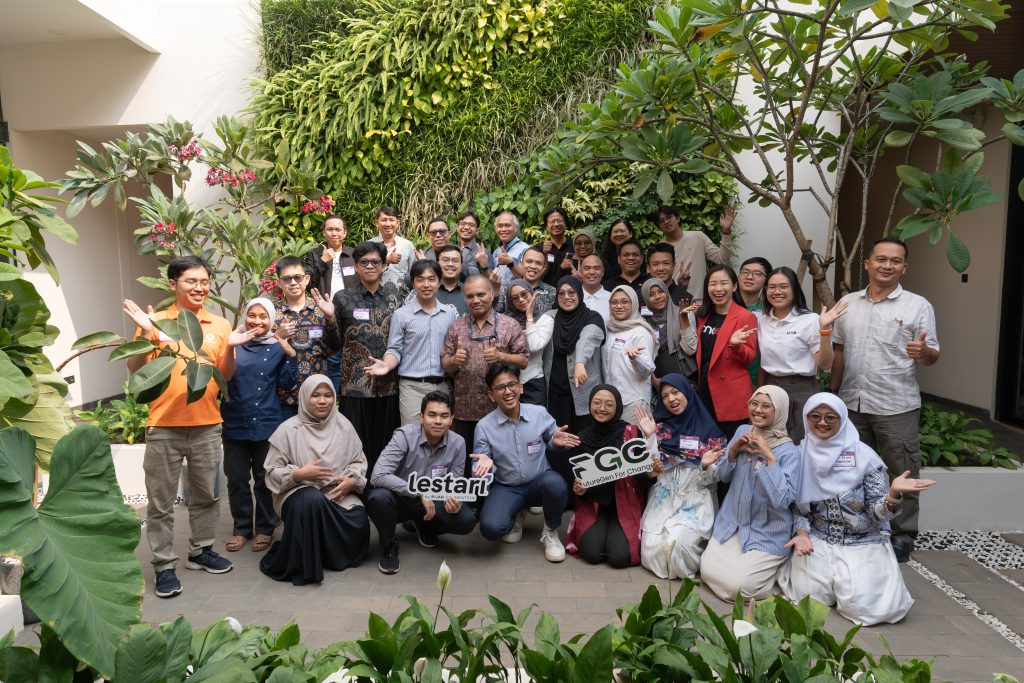
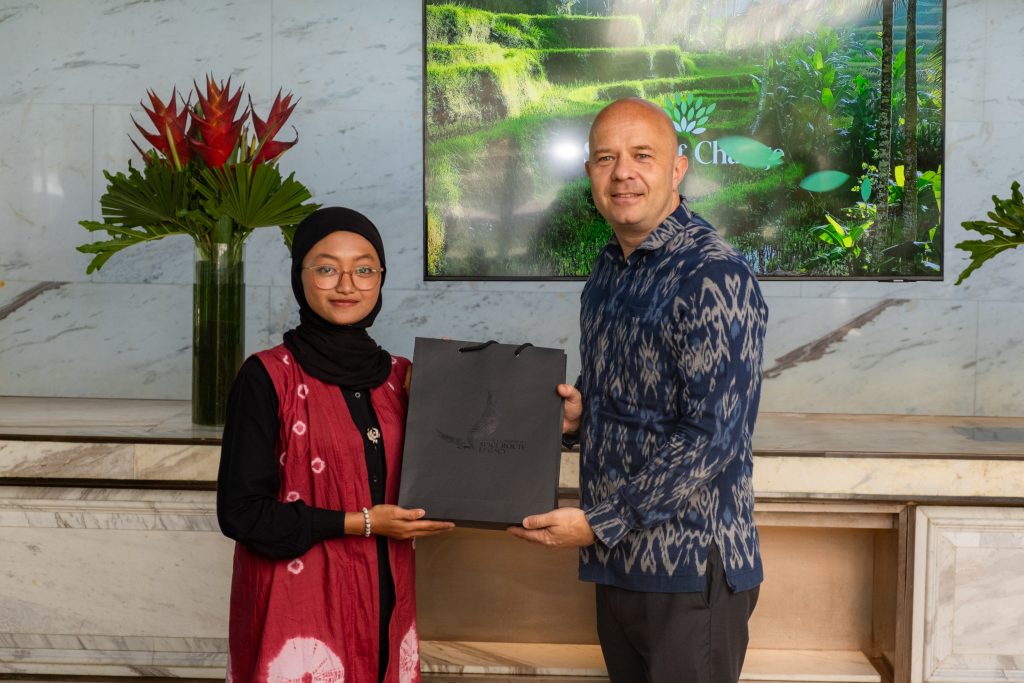
Climate Equity Lab: Understanding the Connections Behind Climate Action
Climate change is often discussed through environmental indicators: rising temperatures, changing rainfall patterns, biodiversity loss, and the increasing pressure on natural resources.
These issues are important. But understanding the climate crisis also requires us to look at the people, relationships, and systems connected to it. 
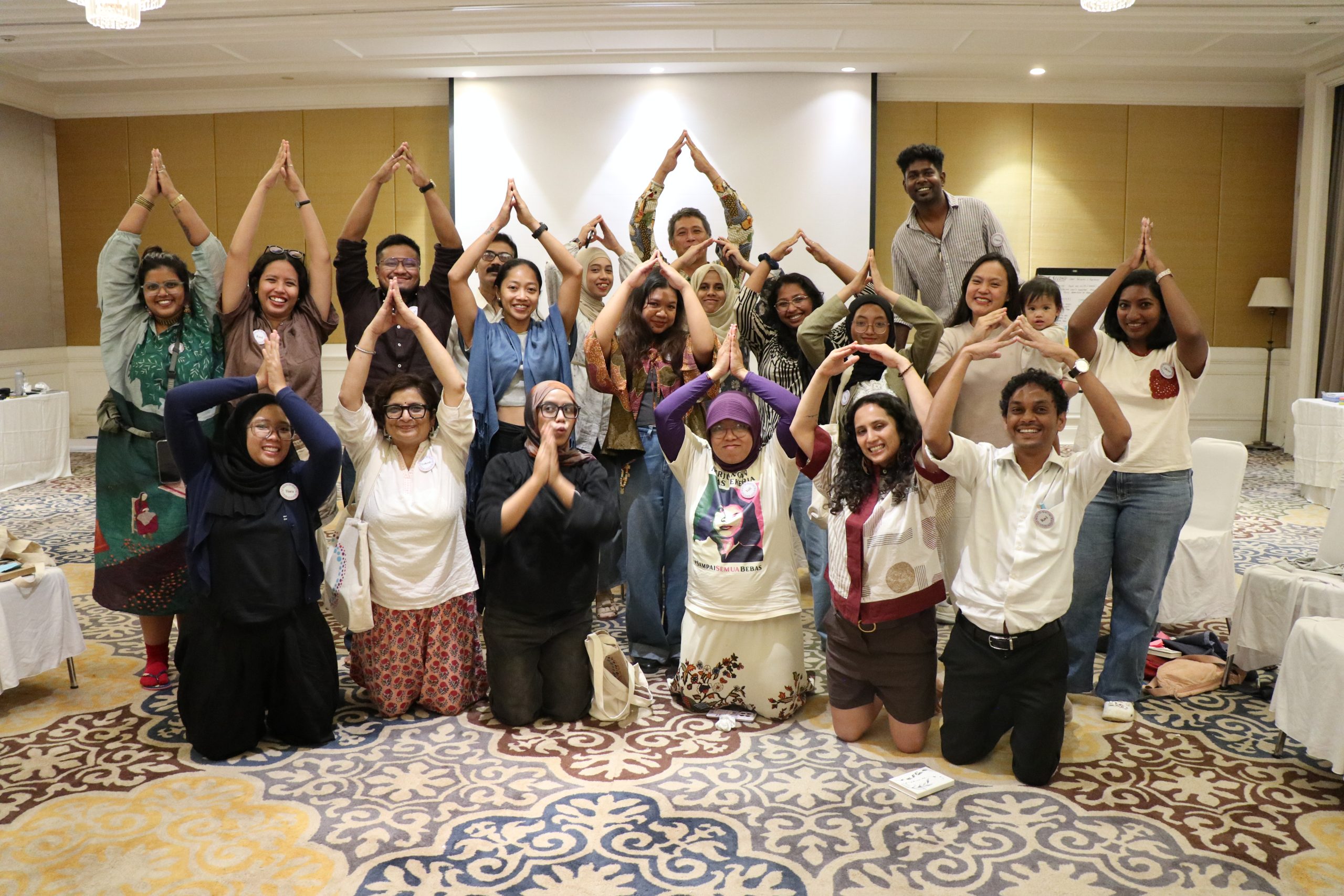
Through Climate Equity Lab, Umah Pupa is exploring a broader understanding of climate action, including how environmental challenges intersect with gender, economic priorities, political systems, and social realities.
The programme, organised by Intertidal Lab, has created a space for reflection, shared learning, and conversations across different perspectives. For Umah Pupa, this experience is an opportunity to reconsider how we understand environmental challenges and the approaches we take towards addressing them.
Looking Beyond an Environmental Perspective
Coming from an environmental background, we initially approached climate issues primarily through the lens of environmental sustainability.
Our work in organic waste management and resource recovery has given us a practical entry point into environmental challenges. We see how waste can be transformed into useful resources and how local systems can contribute to more circular ways of managing materials.
However, the learning journey through Climate Equity Lab has encouraged us to look beyond the environmental dimension alone.
Climate-related challenges are connected to the ways societies organise resources, distribute power, make decisions, and respond to the needs of different communities.
Gender, economic conditions, political structures, and social inequalities can all influence how environmental problems emerge and how people experience their consequences.
This does not mean that environmental solutions become less important. Rather, it reminds us that understanding the wider context can help us approach those solutions more thoughtfully.
Why Personal Stories Matter in Climate Conversations

One of the programme’s learning sessions focused on personal storytelling and the relationship between individual experiences and the climate crisis.
Participants were invited to reflect on meaningful places in nature, how those places had changed, and when the effects of climate change had begun to feel real in their own lives.
This approach offered a different way to engage with climate issues.
Data helps us identify patterns, measure changes, and understand the scale of environmental challenges. Personal stories can add another dimension by showing how those changes are experienced, remembered, and understood by people.
They can also help build trust and deepen connections between people working on related challenges.
For organisations working towards environmental sustainability, this is a valuable reminder that climate action is not only about the technical solutions we develop. It is also about listening to people, understanding their experiences, and recognising the different perspectives they bring to the conversation.
Understanding the Systems Behind Environmental Challenges
Another important learning area involved systems thinking: looking beyond individual events to understand the patterns, structures, and assumptions that allow problems to persist.
For example, an environmental problem may appear to be caused by a single activity. But a closer look may reveal connections to land-use decisions, economic priorities, institutional responsibilities, access to resources, or whose voices are included in decision-making.
These underlying factors can influence whether a problem continues and whether proposed solutions can create lasting change.
For Umah Pupa, this perspective encourages us to ask broader questions about the systems surrounding organic waste management.
Processing organic waste is important, but the wider picture also includes people’s waste-sorting habits, available infrastructure, the demand for recovered resources, and the relationships between different stakeholders.
Understanding these connections can help us identify not only what needs to change, but also the conditions required to make that change possible.
Care-Based Leadership and Collective Action
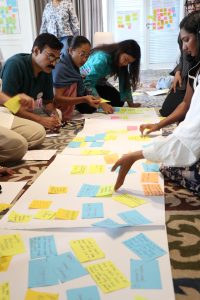
The programme also explored care-based leadership: an approach that places care, community knowledge, shared responsibility, and collective wellbeing at the centre of how people work together.
This learning connected leadership with wider questions about gender inequality, ecological destruction, and systems that prioritise productivity over people and wellbeing.
It encouraged reflection on how organisations make decisions, share power, build relationships, and create space for different perspectives.
For Umah Pupa, this opens up an important conversation about the way environmental initiatives are developed and implemented.
Sustainable change depends not only on technical knowledge or operational efficiency. It also involves the people who participate in the process, the communities affected by decisions, and the relationships that support collective action.
A more thoughtful approach to leadership means considering whose knowledge is valued, how decisions are made, and whether the people involved have meaningful opportunities to contribute.
Care, in this context, is not separate from action. It can influence how that action is designed, carried out, and sustained.
Connecting Climate Equity With Environmental Sustainability
Climate equity encourages us to consider how environmental challenges intersect with wider social and structural conditions.
For Umah Pupa, this provides an opportunity to reflect on our own work from a broader perspective.
Organic waste management and resource recovery remain important parts of our environmental approach. At the same time, the effectiveness of these initiatives depends on the communities, systems, and conditions surrounding them.
Who participates in the process? What barriers might prevent people from participating? How are the benefits of resource recovery distributed? What local knowledge should inform the way a system is designed?
These are examples of the questions that can help connect environmental action with a more inclusive understanding of sustainability.
The answers will vary across communities and contexts. That is why listening, collaboration, and continuous learning remain essential.
An Ongoing Journey of Learning
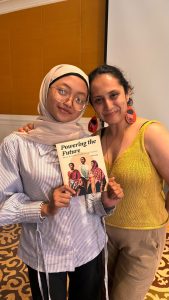
Climate Equity Lab is still underway, and our learning continues.
The experience so far has encouraged us to approach climate and environmental challenges with greater curiosity, to recognise connections beyond our immediate area of work, and to pay closer attention to the systems and relationships that shape change.
For Umah Pupa, this is not about moving away from environmental action. It is about developing a more complete understanding of the context in which that action takes place.
We believe that building a more sustainable future requires more than technical solutions. It also calls for reflection, collaboration, and a willingness to understand the different realities that shape our shared challenges.
Because climate action becomes more meaningful when we recognise that environmental, social, and economic systems are deeply connected.