Seeds of Change: Rethinking Sustainability and Innovation at Umah Pupa
Sustainability is often associated with environmental action, from reducing waste and conserving natural resources to developing more responsible ways of producing and consuming. But building a sustainable initiative requires more than a good idea. It takes time, continuous learning, collaboration, and a commitment to creating lasting impact.
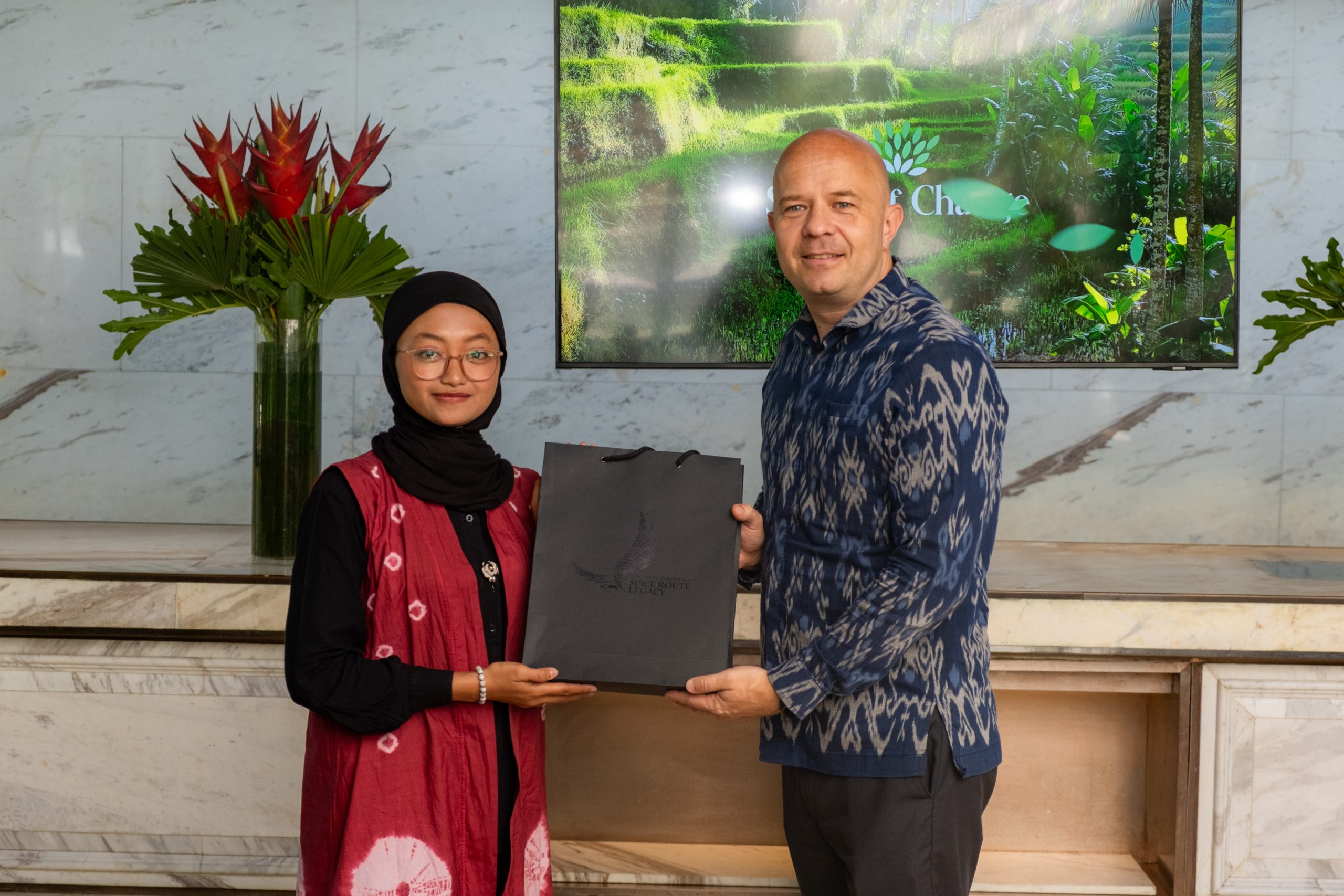
For Umah Pupa, participating in Seed of Change, an incubation programme under Path to Sustainability Growth by The Apurva Kempinski Bali, was an opportunity to reflect on what it takes to turn an idea into a meaningful and sustainable initiative.
Learning Beyond the Environmental Sector
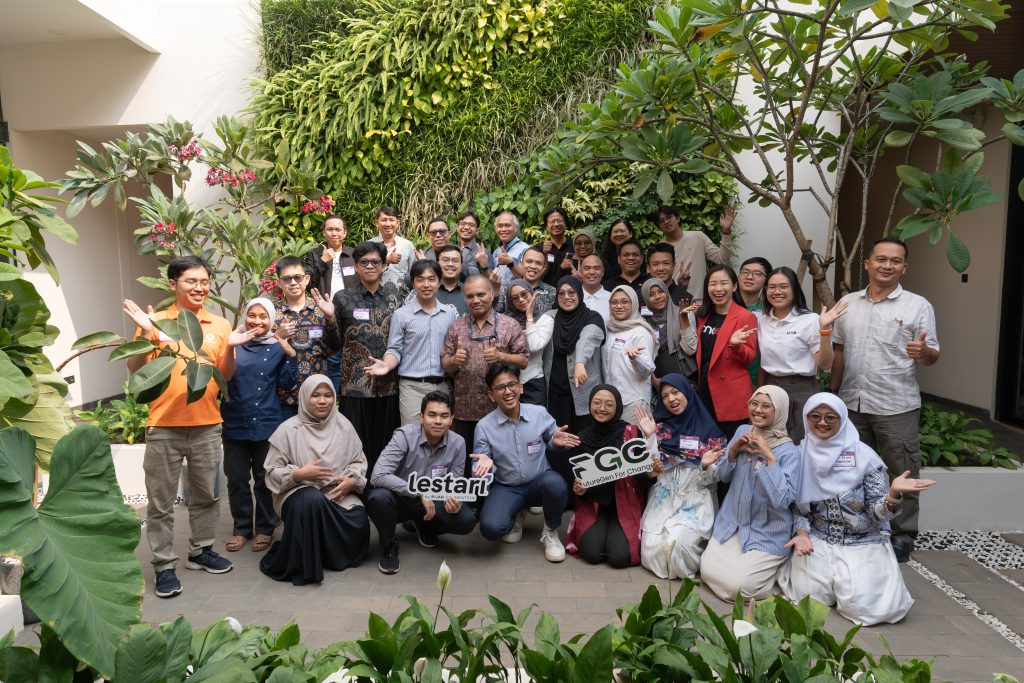
Through Seeds of Change, Aula as Umah Pupa team joined a group of eight finalists working on different initiatives and approaches to creating positive change. Despite their different backgrounds and areas of focus, the participants shared a common intention: contributing to a better future.
This diversity offered an important perspective. Environmental sustainability is not pursued in isolation. It is part of a broader landscape of businesses, communities, and initiatives trying to respond to different challenges.Meeting other finalists also reinforced the importance of learning from people who approach sustainability from different perspectives. Meaningful change does not have to follow a single path.
Building a Sustainable Initiative Takes More Than an Idea
The programme included eight mentoring sessions covering topics such as sustainability in hospitality, sales, financial planning, and business development. These sessions encouraged participants to look beyond the initial idea and consider what it takes to develop an initiative into something viable and impactful.
For Umah Pupa, this meant reflecting not only on the environmental value of its work, but also on the practical considerations involved in building and sustaining a business.
An initiative needs a clear direction, an understanding of its market, and the ability to adapt as challenges emerge. Environmental purpose and business sustainability must work together if an initiative is to continue creating value over time.
Sustainability Is a Long-Term Commitment
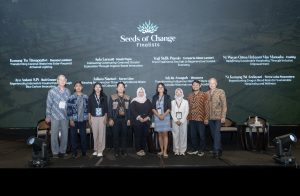
One of the key lessons from the programme was that sustainability cannot be measured only through immediate results. Learning from the mentors encouraged us to think about sustainability as an ongoing process that requires patience, long-term commitment, and continuous evaluation. Environmental and social impact cannot simply be treated as a final checklist. They require reflection, learning, and adjustments along the way.
This perspective is relevant to Umah Pupa’s work in organic waste management and resource recovery. Developing a system that transforms organic waste into useful resources is one part of the journey. Building an approach that can continue operating, create value, and respond to the needs of the people involved is equally important.
Sustainability is not just about what an initiative produces today. It is also about whether it can continue making a difference tomorrow.
Entrepreneurship Is a Journey of Continuous Learning
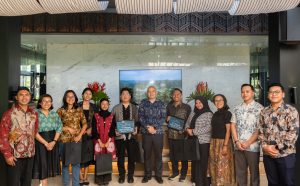
Another important takeaway was the reality that building an initiative rarely follows a straight path.
Challenges, uncertainty, and setbacks are part of the process. Having a clear direction and goals for the coming years can help a team stay focused while remaining open to change.
For Umah Pupa, this reinforced the importance of balancing long-term ambition with the ability to learn from everyday experiences.
Growth does not always mean moving faster. Sometimes, it means taking the time to evaluate what is working, understanding what needs to change, and building a stronger foundation for the future.
Continuing the Journey Towards a More Sustainable Future
Seeds of Change was more than a series of mentoring sessions. It was an opportunity to exchange perspectives, learn from experienced practitioners, and connect with people who share a commitment to creating positive change.
The experience reminded us that sustainability requires both purpose and practice. Good intentions matter, but so do the systems, relationships, and decisions that allow an initiative to create lasting value.
As Umah Pupa continues developing its work in organic waste management and resource recovery, these lessons remain relevant to how we approach our business, our partnerships, and the impact we hope to create.
Because meaningful change is not built through one idea or one moment. It grows through continuous learning, thoughtful action, and a willingness to keep improving.