Future Gen for Change: Understanding Urban Challenges Through Collaboration
How do we develop solutions that respond to the real needs of a city?
For organisations working on environmental sustainability, it is easy to begin with a problem we already understand and move directly towards a solution. But cities are complex. Their challenges are shaped by infrastructure, public policy, community behaviour, economic conditions, and the everyday realities of the people who live in them.
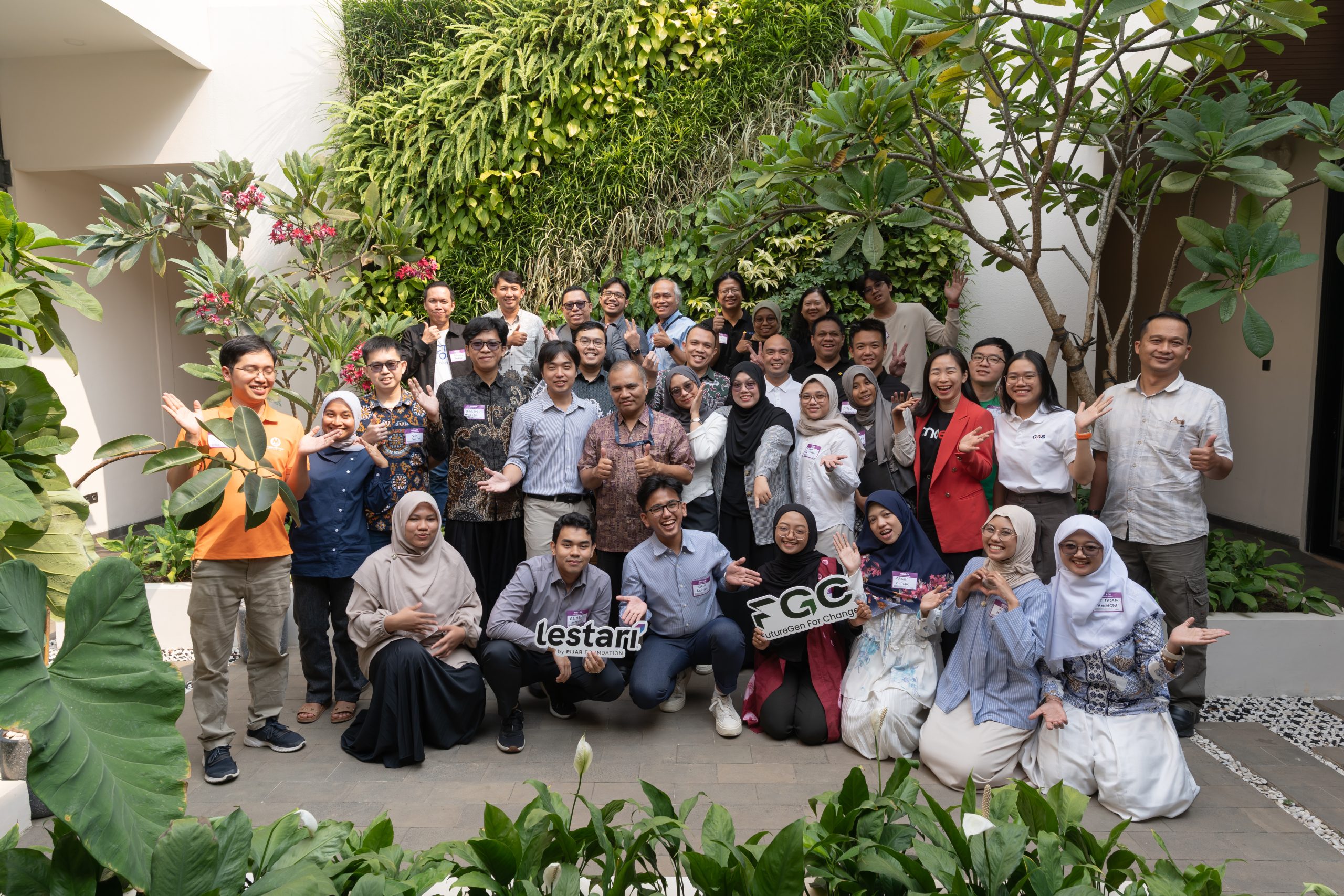
Through Future Gen for Change (FGC) by Pijar Foundation, Umah Pupa has been exploring what it means to approach urban challenges with a more collaborative and context-driven perspective.
From a Funding Opportunity to a City Challenge
At first, we viewed Future Gen for Change primarily as an opportunity to access support for developing our work.
However, through the programme’s sessions and engagement with stakeholders, we began to understand its challenge-based approach more clearly.
Rather than focusing only on an organisation’s proposed solution, the process encourages participants to engage with challenges faced by cities and consider how their ideas can respond to local needs.
This shift in perspective matters. A solution that works in one location may not be appropriate for another. Understanding the context in which a challenge exists is an essential starting point for developing an effective response.
Understanding Malang Beyond the Problem We Already Know
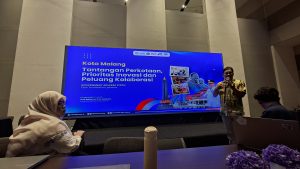
For Umah Pupa, engaging with the city challenge connected our environmental work with the realities of Malang.
As an organisation working on organic waste management, we naturally pay attention to how organic waste can be processed and transformed into useful resources.
But processing waste is only one part of the picture.
What happens to the resources produced? Who can use them? What infrastructure is available? How do land availability and existing community activities affect the feasibility of a solution?
These questions became increasingly important as we considered the conditions of Malang as an urban environment.
A model designed for an area with extensive agricultural land may need to be approached differently in a more densely developed city. Solutions must account for the opportunities and limitations of the places where they are introduced.
This is why understanding local conditions matters before deciding what an intervention should look like.
Looking Beyond Waste Processing
The experience encouraged us to think more broadly about the relationship between organic waste, resource recovery, and the communities that could benefit from the outputs.
Waste management does not end when waste is processed. A more complete approach also considers how recovered resources can be used, whether there are suitable users, and how the system can remain practical over time.
For Umah Pupa, this reinforces the importance of connecting waste management with wider urban systems.
It also highlights a key question for circular economy initiatives: how can materials recovered from one process become useful resources within the same community or another part of the local economy?
The answer depends on more than technology. It requires an understanding of local demand, infrastructure, available space, community participation, and the relationships between different stakeholders.
Why Collaboration Matters in Building Sustainable Cities
One of the valuable aspects of Future Gen for Change has been the opportunity to engage with people from different backgrounds and areas of expertise.
Urban challenges rarely fit neatly into a single sector. Environmental issues can intersect with public health, food systems, economic development, infrastructure, and social behaviour.
Conversations with other participants and stakeholders have reinforced the value of approaching these challenges with openness and curiosity.
Different perspectives can reveal questions that may be overlooked when a problem is considered from only one professional background.
For us, collaboration is not simply about bringing people together. It is about developing a more complete understanding of the challenge before deciding how to respond.
Learning Before Scaling
Developing a solution for a city requires more than demonstrating that an idea can work in principle.
It also requires understanding the conditions needed for implementation, identifying the people who need to be involved, and defining what success should look like in the local context.
A pilot or local intervention can provide an opportunity to learn what works, what needs adjustment, and what conditions may be necessary for replication.
This approach helps ensure that scaling is guided by evidence and practical experience rather than assumptions.
As Umah Pupa continues its journey through Future Gen for Change, we are carrying forward an important lesson: meaningful urban innovation begins with listening, understanding, and working with the realities of the city.
Building Solutions With the City, Not Just for the City
Future Gen for Change has encouraged us to reconsider how we approach environmental challenges and the role of collaboration in developing solutions.
For Umah Pupa, this means continuing to connect our experience in organic waste management with a broader understanding of urban systems, local needs, and the people who shape them.
Building more sustainable cities is not about introducing a solution and expecting it to work everywhere.
It is about understanding each city’s context, working with the people involved, and developing approaches that can create practical value over time.
The journey is ongoing, and so is the learning. Each conversation and new perspective helps us ask better questions about what meaningful change can look like in the places where we work.